


Bite Adjustment in Istanbul: When Your Bite Needs Correcting, How Occlusal Adjustment Is Done and When a Night Guard Is the Better Choice
A new filling that feels too high or a crown that hits first are the most common reasons people look for bite adjustment in Istanbul. Often the fix is a small polish of one contact point; sometimes a night guard is the safer answer. Our clinic is in Gümüşsuyu, Beyoğlu, near Taksim Square.
This guide from Taksim Clinics explains when a bite adjustment makes sense, how it is checked and done, and when it should be avoided.
Last updated: 20 November 2026
Quick answer: what is bite adjustment in Istanbul and when do you need it?
Bite adjustment in Istanbul (occlusal adjustment) is a careful reshaping of a small high spot on a tooth, filling or crown so that your upper and lower teeth meet evenly; it is most useful when a new restoration feels high, while jaw pain from TMD or grinding is usually managed first with reversible care such as a night guard.
The dentist marks the contacts with articulating paper or a digital scan, then removes only what is needed. Our TMJ disorder treatment in Istanbul page explains how jaw problems are assessed.
Does your bite feel wrong after dental work?
Message us on WhatsApp and tell us which tooth feels high and what treatment you had. We will suggest the next step.
WhatsApp us: +90 534 445 94 44Important medical note
This article is general information and does not replace an examination. Whether your bite should be adjusted, and how much, depends on a clinical exam, your symptoms, X-rays when needed and your dental history. Reshaping tooth surfaces cannot be undone, so it is only done when there is a clear reason. Results vary from person to person.
What is a bite adjustment?
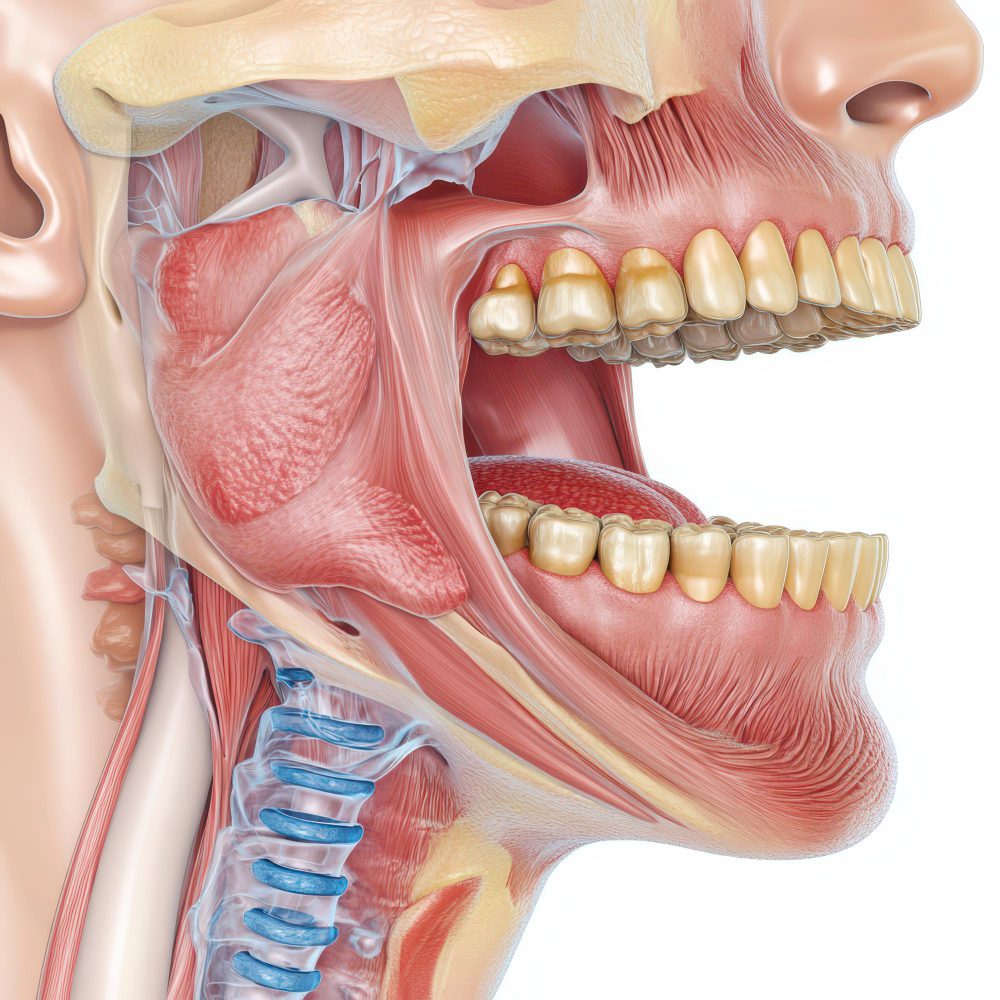
A bite adjustment is a procedure in which the dentist selectively smooths or reshapes the biting surfaces of one or more teeth, or of a restoration, so that the teeth meet more evenly when you close and when you move your jaw.
Dentists also call it occlusal adjustment or occlusal equilibration. "Occlusion" means the way your upper and lower teeth come together.
A review in the New Zealand Dental Journal describes occlusal adjustment as an invasive and irreversible therapy that should not be used casually as a preventive measure. That is the key point for patients: a small correction of a new filling or crown is routine, but grinding down healthy teeth to "balance" a whole bite is a much bigger decision.
When do you need bite adjustment in Istanbul?
You are most likely to need a bite adjustment when a new or recently changed filling, crown, bridge or implant crown sits slightly too high, so it hits before the other teeth when you close.
High filling
A slightly high filling can be lowered so you bite comfortably. If pain persists, see our partner guide on tooth pain after a filling explains other causes.
New crown or bridge
A crown that touches first can make the tooth tender to bite. Our dental crowns in Istanbul team checks contacts before and after cementation.
Implant crown
Implant crowns are checked carefully against the opposing teeth, including in side-to-side movements.
MedlinePlus lists ill-fitting dental work among the causes of malocclusion, and notes that teeth may be adjusted down, reshaped, and bonded or capped as part of treatment. Other situations where a dentist may consider a limited adjustment include:
- a tooth that has started to feel sore only when biting, with no decay found;
- fine-tuning after orthodontic treatment, if a single contact remains heavy once teeth have settled;
If nothing is high, the cause may be a crack, decay or an inflamed nerve. The partner clinic article on pain under a dental crown covers these possibilities.
Does bite adjustment treat TMJ problems and jaw pain?
Bite adjustment is not a first-line treatment for TMJ disorders: the US National Institute of Dental and Craniofacial Research (NIDCR) states there is insufficient evidence that occlusal treatments work for TMDs and advises avoiding treatments that permanently change the teeth or bite.
NIDCR also says research does not support the belief that a bad bite or orthodontic treatment causes TMDs, that many TMDs go away on their own, and that simple treatments should come first. It lists "a change in the way the upper and lower teeth fit together" as a TMD symptom: a bite that suddenly feels different may be a sign of a jaw problem, not its cause. Clicking without pain is common and considered normal.
Mayo Clinic describes self-care such as avoiding clenching and gum chewing, heat or ice, and resting the jaw with the teeth apart, plus physical therapy. Our TMJ team in Taksim follows this conservative order.
Bite adjustment vs night guard vs other options: which fits your problem?
The right option depends on the cause: a high restoration is corrected by a small adjustment, grinding is usually managed with a custom night guard, and an overall misaligned bite with orthodontics rather than heavy reshaping.
| Option | Typical reason | Reversible? | What sources say |
|---|---|---|---|
| Spot bite adjustment | New filling, crown or implant crown that feels high | No, but very small | Teeth may be adjusted down or reshaped as part of treatment (MedlinePlus) |
| Full occlusal equilibration | Selected complex cases after full assessment | No | Invasive and irreversible; not for casual prevention (NZ Dent J) |
| Custom night guard / splint | Grinding, clenching, some jaw pain | Yes | Splints do not change the teeth or bite (NIDCR); protect teeth from grinding damage (NHS) |
| Self-care and physiotherapy | TMD muscle or joint pain | Yes | Start with simple treatments first (NIDCR); heat, ice, jaw rest, exercises (Mayo Clinic) |
| Orthodontics or aligners | Teeth that are misaligned overall | Teeth are moved, not reduced | Braces or clear aligners move teeth (MedlinePlus) |
For a whole-bite problem, our clear aligners and tooth reshaping in Istanbul page explains how teeth can be moved instead of reduced.
How is a bite adjustment done at our clinic in Taksim?
A bite adjustment is done by first finding exactly where the teeth meet too hard, marking those spots, removing a very small amount of material only where needed and then re-checking the bite until contacts feel even.
- History and examination. Which tooth feels high, after which treatment, and whether you grind; teeth, jaw muscles and joints are checked, with X-rays if needed.
- Marking the contacts. You bite and slide on thin articulating paper, which leaves coloured marks where teeth meet. A digital scan or sensor may also be used.
- Deciding what to adjust. Usually the new restoration is adjusted, not the natural tooth opposite it.
- Precise reshaping. A fine bur removes a tiny amount from the high spot. Numbing is often not needed.
- Re-check in different movements. Closing, forward and side-to-side movements are checked again.
- Polishing and follow-up. The surface is polished; if the tooth is still tender after a few days, it is re-checked before anything else is changed.
Small adjustments usually take one short visit; rebuilding several worn teeth is planned in stages as part of full mouth rehabilitation in Istanbul.
Articulating paper or digital occlusion: how is the bite measured?
Most dentists still measure the bite with articulating paper, a thin coloured film that marks where the teeth touch, and some clinics add digital tools such as intraoral scanners or bite sensors.
ADA News reported on a small study in which 40-micrometre articulating paper achieved near-perfect agreement for static and dynamic contacts compared with digital devices; the authors concluded there are no preferred methods for occlusal assessment.
Our digital smile design in Istanbul workflow uses scans to plan how new restorations should meet the opposing teeth before they are made.
Want us to check your bite before your trip?
Send us a short description, a photo of the area and any recent X-ray. Our team will tell you whether it sounds like a simple adjustment.
Ask on WhatsAppBite adjustment, bruxism and night guards
If you grind or clench your teeth, a custom night guard is usually the first dental option, because it protects the teeth without permanently changing them, while adjusting the bite does not stop the habit.
The NHS links grinding most often to stress and anxiety and explains that mouth guards or splints are worn at night to protect the teeth from damage. Symptoms can include a painful jaw, worn or broken teeth, headaches, earache and disturbed sleep.
Fit matters. Cleveland Clinic notes that a custom guard from a dental professional will usually serve better than an over-the-counter one, that a poorly fitting guard can make pain worse, and that a guard will not stop you from clenching. NIDCR advises making sure a splint is not designed to permanently change your bite, and stopping it and seeing your dentist if it causes pain.
The dentist adjusts the guard itself, not your teeth. The partner clinic guide on teeth grinding at night has more on habits and protection.
Can a single filling cause jaw pain or headaches?
A high filling can make one tooth sore; whether it also causes jaw pain or headaches is judged case by case. Read more in our partner article on whether one dental filling can affect jaw alignment and cause headaches.
Bite adjustment after crowns, veneers, implants and orthodontics
Bite checks are a normal part of every crown, veneer, bridge and implant treatment, and a minor adjustment at the fitting appointment is expected rather than a sign that something went wrong.
Durations are indicative; your dentist decides them after examination.
Warning signs: when to contact a dentist about your bite
Contact your dentist soon if a tooth hurts every time you bite, if your teeth suddenly do not fit together as before, or if jaw pain stops you opening your mouth normally.
- a new filling or crown that still feels high after a few days;
- sharp pain on biting, or pain that lingers after hot or cold (possible nerve problem: see root canal therapy in Istanbul);
- jaw locking, or difficulty opening or closing your mouth;
- swelling, fever or a bad taste around a tooth.
Facial swelling with fever, or swelling that affects breathing or swallowing, needs urgent medical care.
Is bite adjustment painful, and what is it like afterwards?
A small bite adjustment is usually painless, because it removes only a thin layer from the surface of a filling, crown or enamel, and most people feel their bite is more comfortable right away.
The tooth may feel slightly different for a day or two. If it stays sensitive or painful, it should be re-checked rather than adjusted again and again. Our page on tooth sensitivity to cold and hot explains common causes.
Watch: careful treatment planning
Careful treatment planning | Dr. Abdurrahman Öztürk
In this short reel, Dr. Abdurrahman Öztürk explains why every treatment starts with careful planning. For bite problems, that means finding the real cause before any tooth is reshaped. You can see completed cases on our before and after results page.
Why choose Taksim Clinics for bite adjustment in Istanbul?
Taksim Clinics is a dental clinic in central Beyoğlu with an English-speaking team that checks the bite on every restoration and treats jaw complaints conservatively.
We prefer reversible options when the cause is unclear. Our prosthodontics in Istanbul team plans crowns, bridges and implant restorations so they meet the opposing teeth evenly. To see how AI-supported analysis can help with bite planning, visit our sister clinic's page on AI bite correction in Istanbul.
Medically reviewed by: Dr. Abdurrahman Öztürk
Dentist and medical lead of Taksim Clinics. This article was medically reviewed by Dr. Abdurrahman Öztürk based on the clinic's restorative and TMJ care protocols and the sources below. Meet your dentist.
Clinic location: Gümüşsuyu Mah., Mete Cad., Beyoğlu, Istanbul
Taksim Clinics · Gümüşsuyu Mah., Mete Cad., Beyoğlu, Istanbul, Türkiye · Phone and WhatsApp: +90 534 445 94 44
Directions are also on our contact page.
Key takeaways
- Bite adjustment is a small, irreversible reshaping of a high spot so teeth meet evenly.
- It is most useful for a new filling, crown or implant crown that feels high.
- NIDCR finds insufficient evidence that occlusal treatments work for TMDs and advises avoiding permanent bite changes.
- For grinding and clenching, a custom night guard protects teeth without changing them.
More dental guides from Taksim Clinics
Treatment for tooth pain at night Dental trauma treatment in Istanbul Periodontal maintenance in Istanbul Veneers vs zirconia crowns Dental treatment in Turkey, step by step Is root canal treatment painful? Zirconia veneers All-on-X dental implants in IstanbulBook a bite check in Istanbul
Message us on WhatsApp with your symptoms and recent dental work. Any adjustment is decided only after an examination.
WhatsApp: +90 534 445 94 44 Call +90 534 445 94 44 Taksim Clinics home pageBite adjustment in Istanbul: frequently asked questions
How do I know if my bite needs adjusting?
Common signs are a new filling or crown that hits before the other teeth, a tooth that is sore only when you bite, or a feeling that your teeth do not close evenly. A dentist confirms it by marking the contacts with articulating paper.
Is bite adjustment permanent?
Yes. Removing material from a tooth or restoration cannot be reversed, which is why only the high spot is adjusted and only when there is a clear reason. The bite can still change over time, so it is reassessed at check-ups.
Does bite adjustment hurt?
A small adjustment usually does not hurt, because only a thin surface layer is smoothed. Numbing is rarely needed for a simple high spot on a filling or crown.
Can bite adjustment fix TMJ pain?
It is not a first-line treatment. NIDCR states there is insufficient evidence that occlusal treatments work for TMDs and advises avoiding treatments that permanently change the bite. Self-care, physiotherapy and splints are usually tried first.
Will a night guard change my bite?
A properly designed night guard should not. NIDCR notes that splints do not change the teeth or bite and advises stopping a splint and seeing your dentist if it causes pain.
How long does a bite adjustment take?
A spot adjustment on a filling or crown is usually done in one short visit. Larger changes to several teeth are planned in stages after a full assessment.
Why does my new crown feel high?
The crown may touch the opposing tooth slightly before the rest of your teeth, especially if your bite was checked while you were numb. The dentist can usually adjust and polish the crown itself.
Do I need a bite adjustment after braces or aligners?
Most people do not. Teeth may settle after treatment, and any fine-tuning is usually limited and decided together with your orthodontic plan.
Can I have a bite check during a short trip to Istanbul?
Yes. A simple bite check and adjustment fits into one visit. Message us on WhatsApp at +90 534 445 94 44 with your symptoms; the clinic is in Gümüşsuyu, Beyoğlu, near Taksim Square.
Conclusion: bite adjustment in Istanbul, done only when it is needed
Bite adjustment in Istanbul is a precise, minimal correction for a filling, crown or implant crown that meets the opposing teeth too early. For grinding, clenching and jaw pain, reversible care such as a night guard and jaw rest usually comes first. The Taksim Clinics team in Beyoğlu will check the cause before recommending any change to your teeth.
Sources
- National Institute of Dental and Craniofacial Research (NIDCR) — TMD (Temporomandibular Disorders). nidcr.nih.gov
- Mayo Clinic — TMJ disorders: diagnosis and treatment. mayoclinic.org
- NHS — Teeth grinding (bruxism). nhs.uk
- Cleveland Clinic — Teeth Grinding (Bruxism). my.clevelandclinic.org
- Cleveland Clinic Health Essentials — Should You Use a Dental Mouthguard for Your Jaw Pain? health.clevelandclinic.org
- MedlinePlus (U.S. National Library of Medicine) — Malocclusion of teeth. medlineplus.gov
- Occlusal adjustment: principles and practice. New Zealand Dental Journal. 1994;90(399):13-19. PubMed
- ADA News — Conventional vs digital occlusal analysis methods. adanews.ada.org