



Taksim Dental Clinic
Apicoectomy in Istanbul
Taksim Clinic provides apicoectomy in Istanbul for patients with persistent infection, inflammation, or abscess around the tip of a tooth root after previous root canal treatment. Each case is carefully diagnosed to remove infection, protect surrounding tissues, and preserve the natural tooth whenever possible.
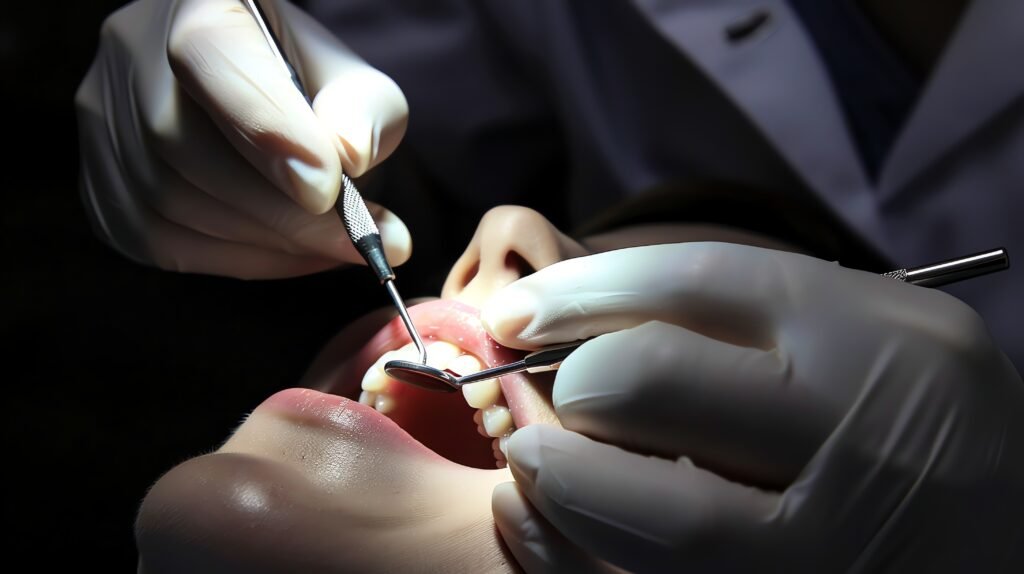
Root Tip Infection Care
Apicoectomy focuses on treating infection or inflammation around the root tip when conventional root canal treatment is not enough.
Tooth Preservation
The goal of surgical root treatment is to save the natural tooth and avoid extraction whenever the tooth can still be restored safely.
Precise Planning
Each case is evaluated with dental imaging and careful diagnosis to plan a controlled, comfortable, and tooth-preserving treatment.
ENDODONTIC SURGERY
Apicoectomy Treatment at Taksim Clinic
Taksim Clinic provides apicoectomy treatment in Istanbul for patients with persistent root tip infection, dental abscess, inflammation, pain, swelling, or failed healing after previous root canal therapy. Treatment is planned with accurate diagnosis, infection control, patient comfort, and natural tooth preservation in mind.
Advanced Apicoectomy Treatment for Root Tip Infection and Tooth Preservation
Apicoectomy is a surgical endodontic procedure used when infection or inflammation remains around the tip of a tooth root after previous root canal therapy. At Taksim Clinic in Istanbul, this treatment is designed for patients who continue to experience pain, swelling, abscess formation, gum tenderness, or incomplete healing around a previously treated tooth.
Every case begins with a careful clinical examination and detailed endodontic diagnosis. When needed, dental X-rays and modern diagnostic tools are used to evaluate the root tip, surrounding bone, infection level, previous root canal treatment, and the possibility of preserving the natural tooth. The goal is not only to remove the infected tissue, but also to seal the root end, protect surrounding structures, and support long-term healing.
For international patients visiting Istanbul, Taksim Clinic provides clear guidance before treatment, organized appointments, and personalized care from consultation to recovery. Whether the patient has persistent infection after root canal treatment, a root tip abscess, or inflammation that does not respond to conventional retreatment, the treatment plan is prepared according to the patient’s dental condition, comfort, and expected results.
What Is Apicoectomy?
Apicoectomy, also known as surgical root-end treatment, is an endodontic surgical procedure used to treat infection around the tip of a tooth root. It is usually considered when a tooth has already had root canal therapy but still shows infection, pain, swelling, or incomplete healing around the root. During the procedure, the infected tissue near the root tip is removed, the end of the root is treated, and the area is sealed to help prevent reinfection.
At Taksim Clinic, apicoectomy in Istanbul is provided with careful diagnosis and personalized treatment planning. The goal is not only to treat the visible infection, but also to understand why healing did not occur after previous root canal treatment. In some cases, complex root anatomy, persistent bacteria, root cracks, cyst-like lesions, or blocked canals may make surgical root-end treatment necessary.
This treatment may be recommended for patients who suffer from persistent pain after root canal treatment, recurring dental abscess, gum swelling, tenderness near the root, infection visible on X-rays, or inflammation around the root tip. Because apicoectomy is designed to preserve the natural tooth whenever possible, the treatment plan must be accurate, controlled, and focused on long-term oral health.
When Do You Need an Apicoectomy?
You may need an apicoectomy when infection or inflammation remains around the tooth root after previous root canal therapy or root canal retreatment. Some patients visit the dentist because of recurring swelling, pain while biting, gum tenderness, or a small pimple-like swelling near the affected tooth. Others may not feel strong symptoms, but dental X-rays may show infection or bone changes around the root tip.
Apicoectomy may be needed in cases such as persistent root tip infection, recurring dental abscess, failed healing after root canal therapy, complex root canal anatomy, blocked canals, or infection that cannot be fully treated through the crown of the tooth. In many cases, surgical root treatment can help save the natural tooth when conventional endodontic treatment is not enough.
At Taksim Clinic in Istanbul, each patient is evaluated individually. The treatment decision is made after examining the tooth, reviewing dental images, understanding the history of previous root canal treatment, and explaining the available options clearly. This helps patients feel more confident before starting treatment and supports a safer, more predictable endodontic surgery process.
Digital Diagnosis and Personalized Apicoectomy Planning
Successful apicoectomy treatment begins with accurate diagnosis. Before planning surgical root-end treatment, the dental team must understand the condition of the tooth root, the size and location of infection, surrounding bone support, previous root canal filling, gum condition, and whether the tooth can still be restored safely. This is why dental imaging and detailed planning are essential parts of apicoectomy treatment.
At Taksim Clinic, digital diagnosis may include dental X-rays, clinical examination, bite evaluation, sensitivity testing when needed, and a detailed review of the patient’s dental history. These tools help the dentist identify the safest and most suitable treatment approach. For example, imaging can help show whether infection is limited to the root tip, whether bone around the root has been affected, and whether surgical access is suitable.
Personalized planning also allows the treatment to be adapted to the patient’s needs. Some cases may require root-end surgery only, while others may need additional restorative planning, crown evaluation, abscess management, or follow-up imaging to monitor healing. For international patients, timing is also important, so appointments, recovery expectations, and aftercare instructions are discussed before treatment whenever possible.
Apicoectomy for International Patients in Istanbul
Istanbul is one of the most preferred destinations for international patients seeking dental and endodontic treatment, and Taksim is one of the most central and accessible areas of the city. For patients traveling from abroad, choosing a dental clinic that provides clear communication, accurate diagnosis, and organized treatment planning is very important.
Taksim Clinic welcomes international patients who need apicoectomy in Istanbul. Before traveling, patients can contact the clinic, share dental photos, X-rays, previous root canal reports, or describe their symptoms in detail. This helps the team understand the case and guide the patient about possible treatment options, appointment needs, and whether surgical root-end treatment may help preserve the natural tooth.
For many patients, traveling for endodontic surgery can feel stressful, especially when pain or infection continues after previous dental treatment. At Taksim Clinic, the goal is to provide a smooth experience from the first online consultation to the in-clinic examination, apicoectomy planning, treatment, recovery guidance, and aftercare instructions.
Persistent Infection After Root Canal Treatment
Persistent infection after root canal treatment may happen when bacteria remain around the root tip or when the surrounding tissues do not heal properly. In some cases, the root canal inside the tooth has already been treated, but inflammation continues in the bone near the root end. This may cause pain, swelling, tenderness, or a recurring abscess.
At Taksim Clinic, persistent infection after root canal treatment is evaluated carefully to determine whether apicoectomy is suitable. The goal is to remove infected tissue around the root tip, seal the end of the root, and support healing while preserving the natural tooth whenever possible.
Dental Abscess Around the Root Tip
A dental abscess around the root tip can develop when infection spreads from inside the tooth to the surrounding bone and tissues. Patients may experience swelling, pain while chewing, gum tenderness, pus drainage, bad taste, or a small bump on the gum near the affected tooth. Sometimes, the abscess may become chronic and appear repeatedly.
Treatment depends on the source of infection, previous root canal history, and the condition of the tooth. At Taksim Clinic in Istanbul, root tip abscess cases are diagnosed with clinical examination and dental imaging. If conventional root canal therapy or retreatment cannot fully solve the problem, apicoectomy may be recommended to remove infection and preserve the tooth.
Apicoectomy and Final Tooth Restoration
After apicoectomy, the tooth must still be strong enough to function properly. In many cases, the tooth already has a filling or crown from previous root canal treatment. The final restoration is important because it helps protect the tooth from bacterial leakage, fracture, and future infection.
At Taksim Clinic, restoration planning is considered as part of the complete apicoectomy treatment plan. The dentist evaluates the existing filling, crown, remaining tooth structure, bite pressure, and long-term prognosis. The goal is to protect the treated tooth, maintain chewing function, and support long-term oral health.
Recovery After Apicoectomy
Recovery after apicoectomy depends on the size of the infection, the condition of the surrounding tissues, the complexity of the procedure, and the patient’s general oral health. Some patients may experience mild swelling, tenderness, or discomfort during the first few days after treatment. These symptoms are usually managed with proper aftercare and medication when needed.
Following aftercare instructions is important for successful healing. Patients may be advised to avoid smoking, hard foods, intense rinsing, and touching the surgical area during the early healing period. Good oral hygiene, recommended medication, and follow-up appointments help support tissue healing and reduce the risk of complications.
At Taksim Clinic, patients receive clear aftercare guidance after apicoectomy treatment. International patients are also guided about what to expect after treatment, how to care for the surgical area, and when follow-up may be needed after returning home.
Why Choose Taksim Clinic for Apicoectomy in Istanbul?
Choosing the right clinic for apicoectomy is important because surgical root-end treatment requires accurate diagnosis, careful infection control, precise planning, and attention to long-term tooth preservation. At Taksim Clinic, patients receive personalized care in a central location in Istanbul, with treatment plans designed according to tooth condition, root tip infection, previous treatment history, patient comfort, and long-term oral health.
The clinic focuses on clear communication, modern diagnostic tools, and patient-centered care. Whether the case is related to persistent infection after root canal treatment, recurring dental abscess, failed healing, swelling, or root tip inflammation, the team aims to provide a comfortable, organized, and tooth-preserving treatment experience. For international patients, the process is planned to make the visit to Istanbul easier, clearer, and more reassuring from consultation to aftercare.
Book Your Apicoectomy Consultation in Istanbul
If you are experiencing recurring tooth pain, swelling, gum tenderness, dental abscess, or infection after previous root canal treatment, you can contact Taksim Clinic for an initial evaluation. Our team can review your case, explain whether apicoectomy may be suitable, and guide you through the next steps clearly.
Send your dental photos, X-rays, previous root canal reports, or questions on WhatsApp and start your treatment journey with Taksim Clinic, an international dental clinic in Taksim Istanbul focused on infection control, surgical root treatment, patient comfort, and natural tooth preservation.