

Taksim Dental Clinic
Surgical Tooth Extraction in Istanbul
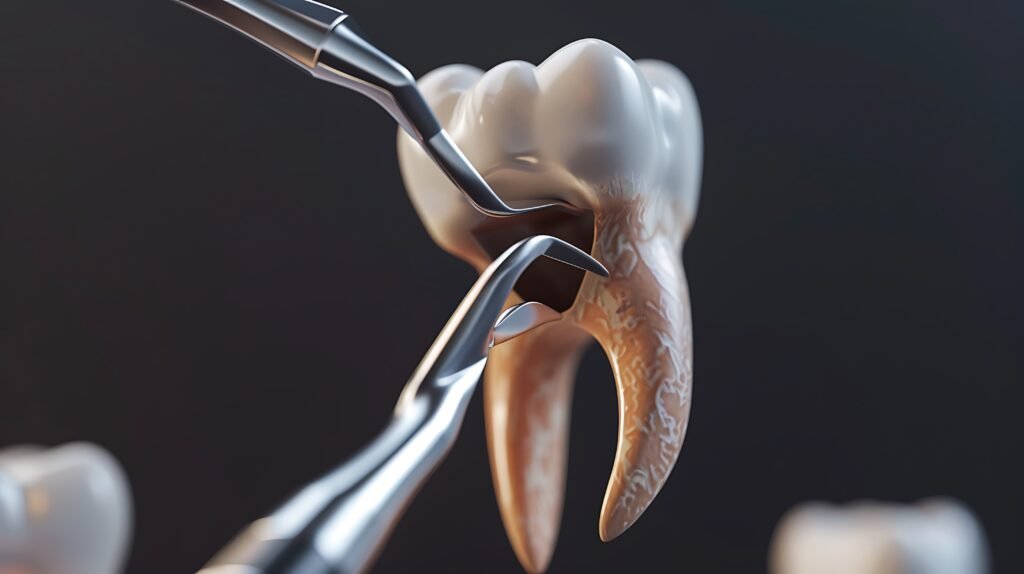
Taksim Clinic provides surgical tooth extraction in Istanbul for patients with severely damaged, infected, broken, impacted, or difficult-positioned teeth that cannot be removed with a routine extraction. Each case is carefully evaluated to protect surrounding tissues, reduce discomfort, and support proper healing.
Careful Evaluation
Each tooth extraction case is examined with attention to tooth position, root shape, infection level, surrounding bone, and nearby teeth.
Comfort-Focused Care
Surgical tooth extraction is planned to reduce discomfort, protect oral tissues, and provide a smoother treatment experience.
Proper Healing Support
Patients receive clear aftercare instructions to help protect the extraction area, reduce complications, and support healthy recovery.
DENTAL SURGERY
Surgical Tooth Extraction at Taksim Clinic
Taksim Clinic provides surgical tooth extraction in Istanbul for patients who need removal of teeth that are severely broken, deeply decayed, infected, impacted, or difficult to extract with routine methods. Treatment is planned with accurate diagnosis, patient comfort, tissue protection, and proper aftercare to support safe healing and long-term oral health.
Advanced Surgical Tooth Extraction for Complex Dental Conditions
Surgical tooth extraction is a dental procedure used when a tooth cannot be removed safely with a simple extraction. At Taksim Clinic in Istanbul, this treatment is designed for patients with severely damaged teeth, broken teeth, deep decay, infection, impacted teeth, complex root shapes, or teeth positioned in a way that requires a more careful surgical approach.
Every case begins with a detailed clinical examination and careful treatment planning. When needed, dental X-rays or 3D imaging are used to evaluate the tooth position, root structure, surrounding bone, nearby teeth, and any signs of infection. The goal is not only to remove the problematic tooth, but also to protect surrounding tissues, reduce discomfort, control infection when present, and support proper healing.
For international patients visiting Istanbul, Taksim Clinic provides clear guidance before treatment, organized appointments, and personalized care from consultation to recovery. Whether the patient needs removal of a broken tooth, infected tooth, impacted tooth, or a difficult-positioned tooth, the treatment plan is prepared according to the patient’s dental condition, comfort, oral health needs, and expected recovery.
What Is Surgical Tooth Extraction?
Surgical tooth extraction is a dental surgical procedure used to remove a tooth that cannot be taken out with a routine extraction. Unlike simple tooth removal, surgical extraction may require accessing the tooth through the gum, removing a small amount of surrounding bone, or dividing the tooth into sections to make removal safer and more controlled.
At Taksim Clinic, surgical tooth extraction in Istanbul is provided with careful diagnosis and personalized treatment planning. The goal is not only to remove the tooth, but also to understand why the extraction is complex, protect the nearby teeth and tissues, and reduce the risk of complications during healing.
This treatment may be recommended for patients with broken teeth, severely decayed teeth, infected teeth, impacted teeth, retained roots, curved roots, teeth below the gumline, or teeth that cannot be removed with standard dental tools. Because difficult extractions can affect bone, gums, and nearby teeth, the treatment plan must be accurate, safe, and based on the patient’s specific dental condition.
When Do You Need Surgical Tooth Extraction?
You may need surgical tooth extraction when a tooth is too damaged, infected, broken, impacted, or positioned too deeply to be removed with a simple extraction. Some patients visit the dentist because of tooth pain, swelling, infection, broken tooth fragments, gum inflammation, or difficulty chewing. Others may discover the need for surgical extraction after dental X-rays show complex roots, retained tooth fragments, or a tooth trapped below the gumline.
Surgical tooth extraction may be needed in cases such as severely broken teeth, deep decay, advanced infection, failed restorations, impacted teeth, retained roots, teeth fractured below the gumline, or teeth with complex root anatomy. In many cases, early evaluation can help prevent worsening infection, protect surrounding teeth, and support better oral health planning.
At Taksim Clinic in Istanbul, each patient is evaluated individually. The treatment decision is made after examining the tooth, reviewing dental images when needed, understanding the patient’s symptoms, and explaining the available treatment options clearly. This helps patients feel more confident before starting treatment and supports a safer, more predictable extraction process.
Digital Diagnosis and Personalized Extraction Planning
Successful surgical tooth extraction begins with accurate diagnosis. Before removing a difficult tooth, the dental team must understand the tooth position, root shape, surrounding bone, gum condition, infection level, nearby teeth, and important anatomical structures. This is why dental imaging and detailed planning are important parts of surgical extraction.
At Taksim Clinic, digital diagnosis may include dental X-rays, 3D imaging when needed, clinical examination, and a detailed review of the patient’s symptoms and dental history. These tools help the dentist choose the safest and most suitable extraction approach. For example, imaging can show whether the tooth has curved roots, whether infection has affected the surrounding bone, or whether the tooth is close to nearby structures that require extra care.
Personalized planning also allows the treatment to be adapted to the patient’s needs. Some cases may require a short surgical procedure, while others may need careful sectioning of the tooth, infection control, or additional aftercare planning. For international patients, timing is also important, so appointments, recovery expectations, and aftercare instructions are discussed before treatment whenever possible.
Surgical Tooth Extraction for International Patients in Istanbul
Istanbul is one of the most preferred destinations for international patients seeking dental treatment, and Taksim is one of the most central and accessible areas of the city. For patients traveling from abroad, choosing a dental clinic that provides clear communication, accurate diagnosis, and organized treatment planning is very important.
Taksim Clinic welcomes international patients who need surgical tooth extraction in Istanbul. Before traveling, patients can contact the clinic, share dental photos, X-rays, 3D scans, or previous reports, and receive an initial evaluation. This helps the team understand the case and guide the patient about possible treatment needs, appointment timing, extraction complexity, and general recovery expectations.
For many patients, traveling for dental surgery can feel stressful, especially when tooth pain or infection is already present. At Taksim Clinic, the goal is to provide a smooth experience from the first online consultation to the in-clinic examination, treatment planning, surgical extraction, and aftercare guidance.
Broken Tooth Extraction
Broken tooth extraction may be needed when a tooth is fractured, severely weakened, or broken below the gumline and cannot be restored safely. A broken tooth can cause pain, gum irritation, infection, chewing discomfort, or damage to surrounding tissues. In some cases, only part of the tooth remains visible, making the extraction more complex.
Treatment depends on the level of fracture, root condition, infection status, and remaining tooth structure. At Taksim Clinic, broken tooth extraction is planned carefully to remove the damaged tooth while protecting the surrounding gum and bone. The goal is to relieve discomfort, control infection when present, and prepare the area for future restorative or implant treatment when suitable.
Infected Tooth Extraction
Infected tooth extraction may be needed when a tooth infection cannot be controlled with restorative or endodontic treatment, or when the tooth is too damaged to be saved. Symptoms may include pain, swelling, pus, gum tenderness, bad taste, fever-like discomfort, or difficulty chewing. If infection is left untreated, it may spread to surrounding tissues and create more serious oral health problems.
At Taksim Clinic in Istanbul, infected tooth extraction begins with accurate diagnosis and infection assessment. Depending on the case, the dentist may recommend infection control before or after extraction and provide clear aftercare instructions. The goal is to remove the source of infection, reduce discomfort, protect surrounding tissues, and support proper healing.
Retained Roots and Difficult Tooth Removal
Retained roots are tooth root fragments that remain in the gum or jawbone after a tooth breaks, decays, or is partially removed. These roots may cause infection, discomfort, gum swelling, or future dental complications if they are not evaluated properly. In some cases, retained roots may be deeply positioned or close to important structures, making careful surgical planning necessary.
Difficult tooth removal is planned according to root shape, bone support, gum condition, infection level, and nearby teeth. At Taksim Clinic, retained roots and complex tooth extractions are approached with careful diagnosis and controlled surgical technique to protect oral tissues and support smooth healing.
Recovery After Surgical Tooth Extraction
Recovery after surgical tooth extraction depends on the complexity of the procedure, the condition of the tooth, infection level, and the patient’s general oral health. Some patients may recover quickly after a straightforward surgical extraction, while more complex cases may require more time, follow-up care, and careful aftercare.
Following aftercare instructions is an important part of successful healing. Patients may be advised to avoid smoking, hard foods, intense rinsing, touching the extraction area, or intense physical activity during the early healing period. Maintaining good oral hygiene, taking prescribed medication when needed, and following food and activity recommendations can help reduce swelling and support proper recovery.
At Taksim Clinic, patients receive clear aftercare guidance after surgical tooth extraction. International patients are also guided about what to expect after treatment, how to care for the extraction area, and when to contact the clinic if they have concerns after returning home.
Why Choose Taksim Clinic for Surgical Tooth Extraction in Istanbul?
Choosing the right clinic for surgical tooth extraction is important because complex extractions require accurate diagnosis, careful planning, and attention to nearby teeth, gums, bone, and oral structures. At Taksim Clinic, patients receive personalized care in a central location in Istanbul, with treatment plans designed according to the tooth condition, extraction difficulty, patient comfort, and long-term oral health.
The clinic focuses on clear communication, modern diagnostic tools, and patient-centered care. Whether the case is related to a broken tooth, infected tooth, retained roots, impacted tooth, or difficult-positioned tooth, the team aims to provide a safe, organized, and comfortable treatment experience. For international patients, the process is planned to make the visit to Istanbul easier, clearer, and more reassuring from consultation to recovery.
Book Your Surgical Tooth Extraction Consultation in Istanbul
If you are experiencing tooth pain, swelling, infection, a broken tooth, retained roots, chewing discomfort, or a tooth that cannot be removed with a simple extraction, you can contact Taksim Clinic for an initial evaluation. Our team can review your case, explain the most suitable treatment options, and guide you through the next steps clearly.
Send your dental photos, X-rays, 3D scans, or questions on WhatsApp and start your treatment journey with Taksim Clinic, an international dental clinic in Taksim Istanbul focused on accurate diagnosis, patient comfort, safe extraction planning, and long-term oral health.