

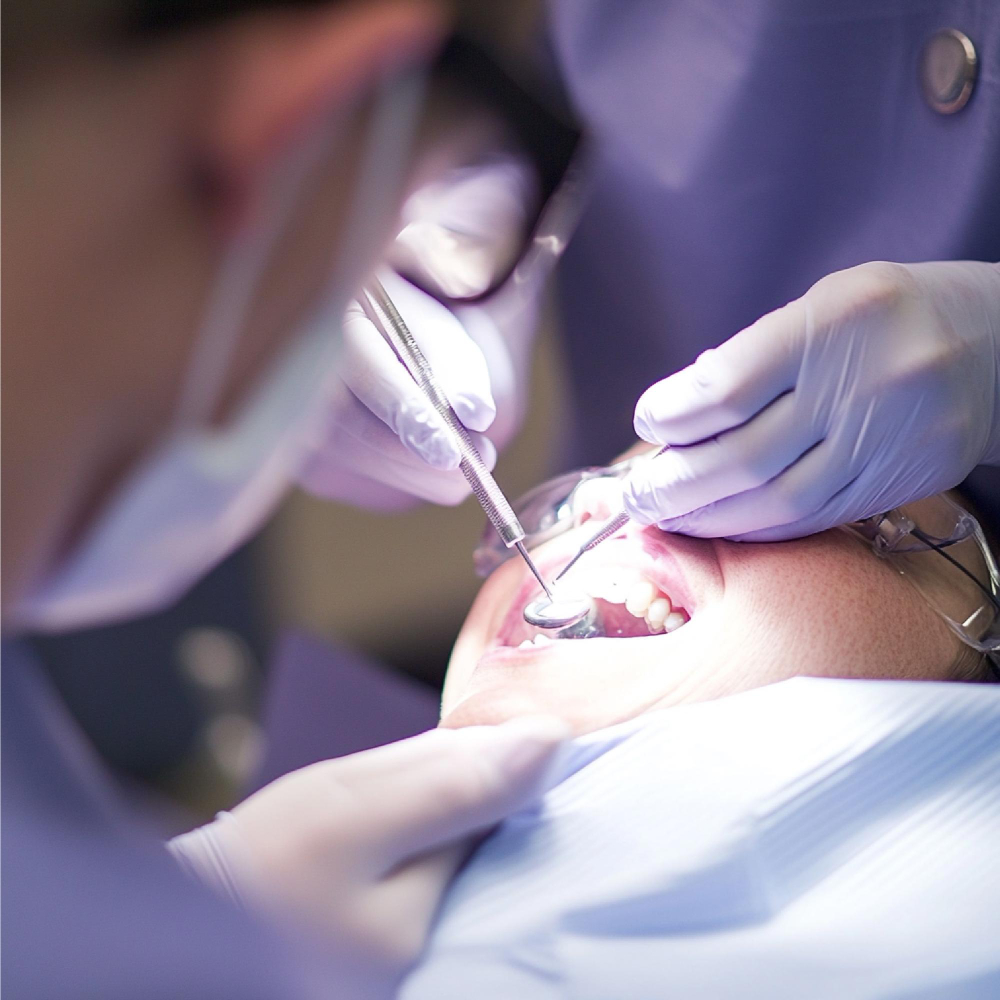
Dental Treatment in Turkey Step by Step: From Your First WhatsApp Message to Aftercare at Home
Thinking about having your teeth done in Istanbul but not sure how it actually works? This guide explains dental treatment in Turkey step by step: what to send before you book, how the online consultation works, what happens on arrival day, how treatment days and healing gaps are organised, and how you are followed up at home.
At Taksim Clinics in central Istanbul, we plan treatment for patients from many countries. Their questions are similar: How many trips will I need? When should I book my flight? What if the plan changes after the exam? Here are honest answers, so you can arrive prepared and relaxed.
Quick Answer: How Does Dental Treatment in Turkey Work Step by Step?
Dental treatment in Turkey step by step usually means sending photos and X-rays on WhatsApp, receiving a preliminary plan after an online consultation, booking flights and a hotel, having a full exam and CBCT scan on arrival, completing treatment over several days, and continuing aftercare and remote follow-up once you are home.
Veneers, crowns and whitening are often completed in one trip of around a week. Dental implants usually need two trips, because the bone needs several months to heal around the implant before the final teeth are fitted. The final plan is confirmed only after the in-person examination.
Start With One Message
Send a short description of your concern, a few clear smile photos and any recent X-ray. Our team will reply in English, explain the likely steps and help you choose travel dates.
Message Us on WhatsApp: +90 534 445 94 44Important Medical Note
This article is general information and does not replace a dental examination. Your treatment plan, the number of visits and the length of your stay can only be confirmed after the dentist has examined you and reviewed your scans. No honest clinic can guarantee a result for every patient.
What Does the Whole Journey Look Like?
The journey has three phases: planning from home, treatment in Istanbul, and aftercare once you return. Here is the full timeline at a glance.
You describe your goal and send photos and any X-rays.
The dentist reviews your images, health history and expectations.
You receive likely options, an expected stay and whether a second trip may be needed.
Appointment dates are agreed first; then you book travel with some flexibility.
A full examination and 3D scan confirm or adjust the plan before treatment starts.
Consecutive appointments with rest time in between.
For implants or grafts, the bone heals at home before the final teeth.
Bite and fit are checked; you receive records and written aftercare instructions.
You stay in touch with our team and keep regular check-ups at home.
Step 1: What Should You Send in Your First WhatsApp Message?
Your first message should include clear photos of your teeth, any recent X-ray, a short description of your concern and your main health conditions. A phone camera in daylight is enough.
- Photos: a relaxed front smile, both sides, and close-ups of upper and lower teeth.
- X-rays: a recent panoramic X-ray is ideal, but not required to start.
- Your goal: replacing missing teeth, fixing broken teeth, a whiter smile or solving pain.
- Health information: medicines, allergies, diabetes, heart conditions, blood thinners and smoking.
- Timing: when you would like to travel and how many days you can stay.
To see how remote assessment works, read our partner clinic's guide to teledentistry and online dental consultation.
Step 2 and 3: What Happens in the Online Consultation and Preliminary Plan?
In the online consultation, the dentist reviews your photos and X-rays, asks about your goals and health, and prepares a preliminary plan outlining the likely treatment, the expected stay and whether one or two trips are needed. It is a starting point, not a final diagnosis.
Photos cannot show everything. Hidden decay, cracks, infection at a root tip or the exact amount of jawbone often only become clear in person, so a good preliminary plan also explains which findings could change it and what to do before travelling, such as treating bleeding gums.
The NHS treatment abroad checklist advises caution if you meet a hard sell, pressure to decide quickly, little information, or no discussion of complications and aftercare. We agree: ask every question you have before booking, and consider discussing your plans with your own dentist or doctor first.
Step 4: When Should You Book Flights and a Hotel?
Book flights and a hotel only after you have a preliminary plan and agreed appointment dates, and leave one or two flexible days at the end of the stay in case an extra appointment or adjustment is needed.
Arrival
Arrive the day before your first appointment so you are not tired at the exam.
Hotel
Staying near Taksim makes daily visits to the clinic short and easy.
Return flight
Avoid flying on the day of your final fitting; keep a buffer day.
The NHS also recommends suitable travel insurance, telling your insurer about the treatment, and allowing for possible extended stays or return trips.
Step 5: What Happens on Arrival Day? The Exam and CBCT Scan
On arrival day you have a full clinical examination and a 3D CBCT scan, and the dentist then confirms or adjusts your treatment plan with you before any treatment begins. Final decisions are based on this appointment.
According to the U.S. Food and Drug Administration (FDA), dental cone beam CT gives more information than conventional 2D X-rays and is used, among other things, for implant planning; its radiation dose is generally lower than other CT exams but higher than standard dental X-rays, so it is used when clinically justified. Learn more in our partner guide to CBCT dental scans in Istanbul.
The dentist checks your teeth, old restorations, gums and bone, reviews your medical history, takes digital scans for smile design or implant planning, and explains any changes to the online plan. Gum problems are treated before cosmetic work; our guide to gum recession causes and treatment explains why. Mayo Clinic notes that implant planning typically includes a full exam, possibly with X-rays and 3D images, and a review of your medicines and supplements. Nothing irreversible happens until you understand and agree.
Not Sure Whether You Need One Trip or Two?
Send your photos and X-rays and tell us what you would like to change. We will explain which steps your case is likely to involve before you book anything.
Ask for a Preliminary Plan on WhatsAppStep 6: What Happens on the Treatment Days?
On treatment days, the confirmed plan is carried out over a series of appointments, usually on consecutive days, with time to rest in between. Basic dental health always comes first: decay, infection and gum problems are treated before cosmetic work.
| Treatment | Typical steps in Istanbul | Trips usually needed |
|---|---|---|
| Teeth whitening | Exam, cleaning if needed, whitening session | One, often a short stay |
| Veneers or zirconia crowns | Exam, digital design, preparation, temporaries, try-in, final bonding | Usually one trip of around a week |
| Root canal treatment | Diagnosis, cleaning and sealing of the canals, then a filling or crown | Usually one, depending on infection |
| Single or several implants | CBCT, implant placement, temporary tooth if suitable; final crown after healing | Usually two |
| Full-arch implants (All-on-4/6/8) | CBCT, extractions if needed, implants, fixed temporary bridge; final bridge after healing | Usually two |
| Bone graft or sinus lift | Grafting, healing, then implants (sometimes at the same time) | Two or more |
Cleveland Clinic explains that a crown usually requires two appointments: one to prepare the tooth and fit a temporary crown, and one to check shape, colour and fit before bonding the final crown. We organise these within your stay, which is why crown and veneer cases usually fit into about a week; see our partner guide on how many days veneers in Istanbul take. If you worry about discomfort, our article on whether root canal treatment is painful explains how local anaesthesia helps. Between visits, rest, avoid hard or sticky food on temporaries and skip tiring day trips after surgery.
Step 7: Why Do Dental Implants Need Healing Gaps and a Second Trip?
Dental implants need a healing gap and usually a second trip because the jawbone must fuse with the implant before it can carry a permanent tooth. Cleveland Clinic states that this fusion, called osseointegration, takes about 3 to 9 months depending on how quickly your body heals.
- First trip: exam, CBCT, any extractions, implant placement and, where suitable, a temporary tooth or fixed temporary bridge.
- At home: soft food and careful hygiene. Mayo Clinic notes that swelling, bruising, minor bleeding and some pain are common after implant surgery.
- Second trip: stability is checked, scans are taken and the final crowns or bridge are fitted.
If the jawbone is too thin, Mayo Clinic explains that a bone graft may be needed and may take several months before it can support an implant. For realistic timelines, read the guide on how many days dental implants in Turkey take, or compare full-arch options in our article on All-on-4 dental implants in Turkey. Our sister clinic explains digital planning in its page on AI-assisted dental implants in Istanbul.
Step 8: What Happens at the Final Check Before Flying Home?
At the final check, the dentist examines your bite, the fit of your new teeth and your gums, makes small adjustments if needed and gives you written aftercare instructions. Before leaving, make sure you have:
- A summary of the treatment, including materials and, for implants, the implant system used.
- Copies of your X-rays and scans; the U.S. CDC advises getting copies of all records from the facility abroad.
- Your prescriptions, warning signs to watch for and a direct WhatsApp contact.
After veneers, crowns or whitening, flying the next day is usually not a problem. After implants or extractions, the dentist will tell you when it is appropriate. The NHS advises a suitable recovery period before travelling home, and the CDC notes that flying after surgery can raise the risk of blood clots, so follow your dentist's and doctor's advice.
Step 9: How Do Aftercare and Remote Follow-Up Work?
Aftercare continues after you fly home: you send photos or questions by WhatsApp, our team advises you, and you keep regular check-ups with a local dentist. Long-term success depends as much on daily care as on the treatment itself.
First days
Soft food after surgery, prescribed medicines, gentle cleaning and no smoking.
First weeks
Send photos if anything feels unusual so we can advise on next steps.
Long term
Brush twice daily, clean between teeth, wear a night guard if advised and see a dentist regularly.
Cleveland Clinic advises contacting your dentist if an implant feels loose or you notice bleeding gums, fever, pus or swelling. Our partner clinic explains the routine in its guide to dental implant follow-up care.
Who Is a Good Candidate for Dental Treatment in Turkey?
A good candidate for dental treatment in Turkey is generally healthy, has realistic expectations, can stay for the planned number of days and will follow aftercare instructions and keep check-ups at home.
Some situations need extra planning first. Cleveland Clinic lists active gum disease, extensive decay, poor oral hygiene, severe bone loss and unmanaged diabetes among reasons implants may not be suitable until addressed, and notes that smoking may disrupt healing. Mayo Clinic adds that some heart conditions or joint implants may call for antibiotics before surgery. If your case needs a different timeline or a simpler option, we will tell you honestly.
What Should You Prepare Before You Travel?
Prepare your medical information, medicines, documents and a little flexibility. The CDC recommends seeing your own healthcare provider before travelling for treatment, carrying copies of medical records and a list of allergies, and packing enough medicine for the trip plus extra.
- Recent X-rays and previous dental reports.
- A list of medicines, including blood thinners and supplements.
- Travel insurance, with your insurer informed about the treatment.
- A soft toothbrush, lip balm and soft foods for the days after surgery.
- One or two spare days and, ideally, a companion on surgery days.
If dental visits make you nervous, tell us in your first message; we plan more time and explain each step before it happens.
Why Plan Your Dental Treatment With Taksim Clinics?
Patients choose Taksim Clinics because the plan starts with a proper diagnosis, every step is explained in advance, and contact continues after the last appointment. We use digital scans and 3D CBCT imaging, prepare a clear daily schedule and communicate in English before, during and after treatment.
We prefer to tell you what is realistic rather than promise a quick fix. If your case needs gum treatment first, or two trips instead of one, we will say so. If you are comparing clinics, our guide to the best dental implant clinic in Turkey lists the questions worth asking.
Key Takeaways
- Dental treatment in Turkey step by step starts with photos and X-rays on WhatsApp, not with a flight booking.
- The online plan is preliminary; the exam and CBCT scan confirm the final plan.
- Veneers, crowns and whitening usually need one trip; implants usually need two.
- Book flights after agreeing dates, and keep flexible days.
- Leave with your records, written aftercare instructions and a direct contact.
More English Guides From Taksim Clinics
All-on-6 Dental Implants in Turkey: Who Is It For? All-on-8 Dental Implants in Türkiye Explained Best Hollywood Smile Clinic in Turkey: What to Look For Veneers vs Zirconia Crowns: Which Is Right for You? No-Prep Veneers Without Shaving Teeth Best Teeth Whitening Clinic in Turkey Best Treatment for Tooth Pain at NightPlan Your Treatment Journey Today
Send your photos, X-rays and questions on WhatsApp. The Taksim Clinics team will outline the steps for your case and help you choose travel dates; the final plan is confirmed after your examination.
WhatsApp: +90 534 445 94 44 Taksim Clinics HomeFrequently Asked Questions About Dental Treatment in Turkey
How does dental treatment in Turkey work step by step?
You send photos and X-rays on WhatsApp, receive a preliminary plan, book travel, have an exam and CBCT scan on arrival, complete treatment over several appointments, and continue aftercare and remote follow-up at home.
How many days do I need to stay in Istanbul for dental treatment?
Whitening may need a short stay, veneers and crowns usually around a week, and implants usually a first trip for placement and a second trip months later. The dentist confirms the exact days after the exam.
Can I get a treatment plan before I travel?
Yes. After reviewing your photos and X-rays, the dentist prepares a preliminary plan. It is confirmed or adjusted after the in-person exam and CBCT scan.
Why do dental implants usually need two trips?
The jawbone needs about 3 to 9 months to fuse with the implant, according to Cleveland Clinic, so the final crowns or bridge are usually fitted on a second trip.
When can I fly home after dental treatment?
After veneers, crowns or whitening, usually the day after the final fitting. After implant surgery or extractions, the dentist advises you based on your healing and general health.
What happens if I have a problem after returning home?
Contact the clinic on WhatsApp with photos and a description. The team will advise you and, if needed, recommend seeing a local dentist, so keep copies of your records.
Conclusion: Dental Treatment in Turkey Step by Step, Without Surprises
Understanding dental treatment in Turkey step by step takes most of the stress out of the journey. You start with a WhatsApp message and photos, receive a preliminary plan, travel on agreed dates, and let the exam and CBCT scan confirm what your teeth really need. Implant cases include an honest healing gap, and aftercare continues once you are home. When you are ready, the Taksim Clinics team is here to plan your stay with you.
Sources
- NHS — Treatment abroad checklist. nhs.uk
- Centers for Disease Control and Prevention (CDC) — Medical Tourism: Travel to Another Country for Medical Care. cdc.gov
- Cleveland Clinic — Dental Implants: Surgery, Advantages, Risks and Recovery. my.clevelandclinic.org
- Mayo Clinic — Dental implant surgery. mayoclinic.org
- Cleveland Clinic — Dental Crowns: Types, Procedure and Care. my.clevelandclinic.org
- U.S. Food and Drug Administration (FDA) — Dental Cone-Beam Computed Tomography. fda.gov