

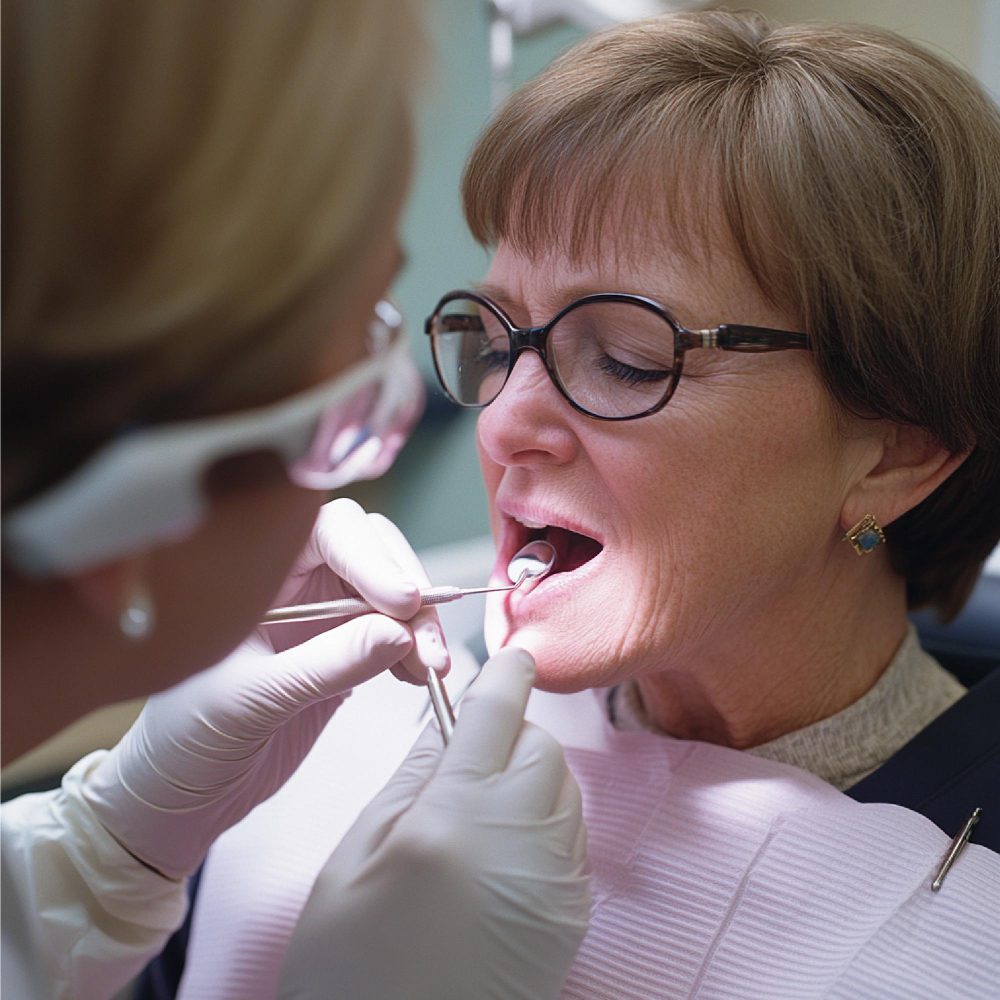
Dental Trauma Treatment in Istanbul: First Aid for Knocked-Out, Broken and Loosened Teeth, and What Happens Next
If you need dental trauma treatment in Istanbul, the first hour matters most. A fall, a sports knock or a hard bite can chip, crack, loosen or knock out a tooth, and what you do in the next 30 to 60 minutes can decide whether it can be saved. Our clinic is in Beyoğlu, a short walk from Taksim Square.
This guide from Taksim Clinics covers first aid for each injury, baby versus adult teeth, when to go to hospital, treatment, follow-up and what to do if it happens while you are travelling.
Last updated: 16 November 2026
Quick answer: what should you do after a dental injury in Istanbul?
Dental trauma treatment in Istanbul starts with first aid: hold a knocked-out adult tooth by the crown, rinse it briefly if dirty, put it back in its socket or keep it in milk or saliva, and see a dentist within about 30 minutes if possible, because the sooner it is replanted, the better its chances.
Chipped, cracked and loosened teeth also need a prompt check; a head injury or heavy bleeding needs a hospital first. Our treatment of traumatic dental injuries in Istanbul page explains how our team treats injured teeth.
Injured a tooth in Istanbul?
Message us on WhatsApp with a photo and a short description. If there is a head injury or heavy bleeding, go to a hospital emergency department first.
WhatsApp us: +90 534 445 94 44Important medical note
This article is general first-aid information and does not replace an examination. The right treatment depends on the injury, the patient's age, how long a tooth was out of the mouth and how it was stored, and is decided only after a clinical exam and X-rays. Results vary.
What is dental trauma?
Dental trauma is any injury to the teeth, gums, lips or the bone around the teeth, usually caused by a fall, a blow to the face, sport, an accident or biting on something hard.
Cleveland Clinic groups dental injuries into chipped teeth, cracked or fractured teeth, dislodged (luxated) teeth and knocked-out (avulsed) teeth; lips and gums can be cut at the same time. The American Association of Endodontists (AAE) explains that the long-term outlook depends on the injury type, how quickly it is treated, the aftercare and the body's response.
Which dental injury do you have? A quick comparison
The type of injury decides how urgent it is and which treatment is likely.
| Injury | What it looks like | How urgent | Treatments often used |
|---|---|---|---|
| Knocked-out adult tooth | Whole tooth, with root, out of the socket | Emergency: dentist within about 30 minutes if possible | Replantation, flexible splint, often root canal treatment |
| Chipped tooth | Small piece of enamel missing; sharp edge | Usually not an emergency | Bonding, reattaching the fragment |
| Fractured or cracked tooth | Larger break or crack; pain; sometimes a pink dot | Prompt, same day if the nerve may be exposed | Filling, root canal, crown |
| Loosened or displaced tooth | Wobbly, pushed in, pulled out or tilted | Urgent: dentist right away | Repositioning, splint, monitoring |
| Lip, gum or tongue cut | Bleeding, swelling, a cut | Hospital if bleeding will not stop or the cut is deep | Cleaning, cold compress, stitches if needed |
Simplified from Cleveland Clinic, the AAE and the IADT; roots and bone can break without visible signs, so X-rays are needed.
What should you do if an adult tooth is knocked out?
If a permanent tooth is knocked out, hold it by the crown, rinse it briefly only if dirty, put it back in the socket if you can, or keep it in milk or saliva, and get to a dentist straight away.
These steps follow the International Association of Dental Traumatology (IADT) guidelines and patient advice from the AAE and the NHS:
- Find the tooth. Do not leave it at the scene.
- Hold it only by the crown, the white part normally visible in the mouth. Do not touch the root.
- Rinse only if dirty, and briefly. The IADT suggests milk, saline or saliva; the AAE says a short rinse with water is acceptable. Do not scrub, dry or wrap it in tissue.
- Replant it if you can. Push it gently into the socket the right way round and bite softly on a clean cloth.
- Otherwise keep it moist in milk, in the person's saliva, or inside the cheek if they are old enough not to swallow it. The AAE warns that root cells cannot tolerate tap water for long.
- See a dentist immediately. The AAE advises within 30 minutes if possible; the IADT notes root cells may still be alive if the tooth was out of the mouth for less than 60 minutes, especially when stored in milk or saliva.
The AAE notes a tooth can sometimes be saved even after an hour or more, so still go.
What should you do for a chipped or broken tooth?
For a chipped or broken tooth, keep any broken piece moist, rinse your mouth with warm water, use a cold compress for swelling and see a dentist promptly.
Cleveland Clinic notes that a slightly chipped tooth can usually wait until you can see a dentist, asks you to bring the broken pieces, and suggests orthodontic wax over a sharp edge. The ADA's MouthHealthy site advises rinsing with warm water and a cold compress. The AAE explains that a chip may be fixed by reattaching the piece or with a tooth-coloured filling.
A pink or red dot in the broken surface, or strong pain, may mean the nerve (pulp) is exposed; the AAE says root canal treatment may then be needed. Our partner site's guide on broken tooth types and treatment explains fracture types in more detail.
What if the tooth is cracked but still in place?
A cracked tooth still needs a dental check, because a crack can spread towards the pulp or root even when the tooth looks almost normal.
Cleveland Clinic says a crack may need further treatment if it reaches the pulp. Avoid chewing on that side until you are seen. The AAE adds that root fractures closer to the root tip tend to do better than those near the gum line. For very fine cracks, see the partner clinic's article on treatment for hairline cracks in teeth.
What should you do if a tooth is loose or pushed out of position?
If a tooth is loose, pushed in, pulled partly out or tilted, do not force it back yourself; avoid biting on it and see a dentist right away.
Cleveland Clinic calls this tooth luxation:
Concussion and subluxation
Tender, perhaps slightly loose and bleeding at the gum, but still in position.
Extrusion and lateral luxation
The tooth looks longer or is tilted; in lateral luxation the socket bone is fractured.
Intrusion
The tooth is pushed up into the socket and looks shorter; the bone is fractured.
Treatment usually means repositioning and a splint, typically for two to four weeks (Cleveland Clinic). The AAE notes that displaced permanent teeth often need root canal treatment started several days after the injury, and that early treatment helps reduce the risk of root resorption.
Not sure how urgent your injury is?
Send a photo of the injured tooth and tell us when it happened. We will tell you how soon you should be seen.
Ask on WhatsAppAre baby teeth treated differently from adult teeth?
Yes. A knocked-out baby tooth should never be put back, because replanting it could damage the adult tooth developing underneath.
The NHS, the IADT and the AAE all agree on this. The child should still see a dentist promptly to check for other injuries. The AAE adds that young permanent teeth with unfinished roots need careful monitoring, as the root may keep developing and root canal treatment is not always needed. Our article on the risks of delaying children's dental treatment explains why early visits matter.
How should you care for lip, gum and tongue injuries?
For a cut lip, gum or tongue, clean the area gently with water, press a clean cloth on any bleeding and use a cold compress.
This is MouthHealthy's advice for a bitten lip or tongue, and Cleveland Clinic notes that minor soft-tissue injuries may heal in under a week. A deep or gaping cut, or bleeding that will not stop, needs medical care.
When is dental trauma an emergency, and when do you need a hospital?
A knocked-out adult tooth, a displaced tooth or a painful fracture is a dental emergency, while a head injury, loss of consciousness, heavy bleeding or a possible jaw fracture needs a hospital emergency department first.
Warning signs: go to hospital first (in Turkey, call 112):
- Knocked out, very drowsy, confused or having a seizure; the NHS lists these as head-injury emergencies.
- Clear fluid or blood from the ears or nose, or new problems with vision, speech or balance.
- Bleeding that will not stop or severe pain despite pain relief (Cleveland Clinic).
- A suspected broken jaw or facial bone, or teeth that no longer meet normally (Cleveland Clinic).
After a knocked-out tooth, the IADT also advises asking a doctor whether a tetanus booster is needed.
How is dental trauma treated in Istanbul?
Dental trauma treatment in Istanbul depends on the injury: bonding for chips, splinting for loosened or replanted teeth, root canal treatment when the pulp is damaged, crowns for weakened teeth, and an implant or bridge if a tooth is lost.
Bonding
Composite rebuilds chipped edges; a saved fragment can sometimes be reattached (AAE).
Splinting
A flexible splint holds a replanted tooth; the IADT recommends about two weeks.
Root canal treatment
After a knocked-out adult tooth, the AAE says it may start one to two weeks later.
Dental crown
Protects a badly broken tooth, often after root canal treatment (Cleveland Clinic).
Implant or bridge
Options if a tooth is lost or cannot be saved (Cleveland Clinic).
Monitoring
Regular checks, because problems can appear months later.
Every trauma visit starts with an examination and X-rays. The plan may involve root canal therapy in Istanbul, cosmetic repair through dental aesthetics in Istanbul or dental crowns in Istanbul, always aiming at natural tooth preservation where sensible. If an injured tooth later becomes infected, see dental abscess treatment in Istanbul; if it cannot be saved, single tooth implants in Istanbul are one option.
The partner clinic also explains bonding for a broken tooth and tooth replacement options after fracture or loss.
What does the follow-up schedule look like after dental trauma?
Injured teeth need follow-up for months and often years, because nerve damage, discoloration or root resorption can appear long after the accident.
For a replanted adult tooth with a fully formed root, the IADT recommends:
The AAE also recommends regular check-ups for up to five years after dislodged or knocked-out teeth. Cleveland Clinic advises a soft toothbrush, soft foods for about a week and calling your dentist about new discoloration, pain or swelling.
Watch: careful treatment planning
Careful treatment planning | Dr. Abdurrahman Öztürk
In this short reel, Dr. Abdurrahman Öztürk explains why every treatment starts with careful planning. After an injury, that means checking the tooth, roots and bite before deciding whether to save, repair or replace. See restored smiles on our before and after results page.
Injured a tooth while travelling in Istanbul? What to do
If you injure a tooth while visiting Istanbul, give first aid at once, message a dental clinic with a photo, and go to a hospital first if there is any head injury or heavy bleeding.
- Keep the tooth in milk. Hotels, cafés and small shops sell it; ask for "süt".
- Note the time of the accident.
- WhatsApp us at +90 534 445 94 44 with a photo and your location.
- Take a taxi. The clinic is in Gümüşsuyu, Beyoğlu, near Taksim Square and many hotels.
- Bring your ID, medicines and travel insurance details.
If you need several visits, our step-by-step guide to dental treatment in Turkey helps you plan around your trip.
Why choose Taksim Clinics for dental trauma treatment in Istanbul?
Taksim Clinics is a dental clinic in central Beyoğlu, easy to reach from Taksim Square, with an English-speaking team for international patients.
We examine, take X-rays, explain what we see and aim to save the natural tooth when realistic. To see how AI-supported imaging helps assess injuries, visit our sister clinic's page on AI dental trauma treatment in Istanbul.
Medically reviewed by: Dr. Abdurrahman Öztürk
Dentist and medical lead of Taksim Clinics. This article was medically reviewed by Dr. Abdurrahman Öztürk based on the clinic's trauma care and the sources below. Meet your dentist.
Clinic location: Gümüşsuyu Mah., Mete Cad., Beyoğlu, Istanbul
Directions are also on our contact page.
Key takeaways
- A knocked-out adult tooth is an emergency: hold it by the crown, replant it or keep it in milk or saliva, and see a dentist within about 30 minutes if possible.
- Never put a baby tooth back.
- Chipped, cracked and loosened teeth also need a prompt check.
- A head injury or heavy bleeding needs a hospital first.
- Injured teeth need follow-up for months and often years.
More dental guides from Taksim Clinics
Endodontics in Istanbul Apicoectomy in Istanbul Is root canal treatment painful? Treatment for tooth pain at night Tooth sensitivity to cold and hot Surgical tooth extraction in Istanbul Dental bridges in Istanbul Oral and maxillofacial surgery in IstanbulNeed dental trauma care in Istanbul?
Send us a photo of the injury on WhatsApp. Treatment is decided only after an examination and X-rays.
WhatsApp: +90 534 445 94 44 Call +90 534 445 94 44 Taksim Clinics home pageDental trauma in Istanbul: frequently asked questions
How quickly should a knocked-out tooth be put back?
As quickly as possible. The AAE advises seeing a dentist within 30 minutes if you can, and the IADT notes root cells are more likely to survive if the tooth was out of the mouth for less than 60 minutes.
Can I put a knocked-out tooth back in myself?
Yes, for an adult tooth. Hold it by the crown, rinse briefly if dirty, push it gently into the socket and bite on a clean cloth, then see a dentist. Never replant a baby tooth.
What should I keep a knocked-out tooth in?
Milk is the first choice in the IADT guidelines, followed by a storage solution, saliva or saline. Water is poor for more than a short time but better than letting the tooth dry.
Should a knocked-out baby tooth be put back?
No. Replanting a baby tooth can damage the adult tooth underneath. The child should still see a dentist promptly.
Is a chipped tooth an emergency?
A small chip usually is not, but it still needs a check. A large break, strong pain or a pink dot may mean the nerve is exposed and should be seen the same day.
When should I go to hospital instead of a dentist?
Go to hospital first after a head injury, loss of consciousness, confusion, bleeding that will not stop or a possible broken jaw. In Turkey the emergency number is 112.
Will an injured tooth need a root canal?
Not always. It is needed when the pulp is exposed, infected or dies, and is common after a replanted or displaced adult tooth; young teeth with open roots are often monitored first.
How do I reach Taksim Clinics after a dental injury?
Message us on WhatsApp at +90 534 445 94 44 with a photo and your location. The clinic is in Gümüşsuyu, Beyoğlu, a short walk or taxi ride from Taksim Square.
Conclusion: dental trauma treatment in Istanbul starts with the first hour
Successful dental trauma treatment in Istanbul often starts before you reach the clinic: hold a knocked-out adult tooth by the crown, replant it or keep it in milk or saliva, never replant a baby tooth, and reach a dentist quickly, or a hospital first after a head injury. The Taksim Clinics team in Beyoğlu will examine the tooth, explain your options honestly and plan the follow-up with you.
Sources
- Fouad AF, Abbott PV, Tsilingaridis G, et al. International Association of Dental Traumatology guidelines for the management of traumatic dental injuries: 2. Avulsion of permanent teeth. Dental Traumatology. 2020;36(4):331-342. eprints.whiterose.ac.uk
- American Association of Endodontists — Knocked Out Teeth. aae.org
- American Association of Endodontists — Traumatic Dental Injuries FAQ. aae.org
- NHS — Knocked-out tooth. nhs.uk
- NHS — Head injury and concussion. nhs.uk
- Cleveland Clinic — Dental Injuries. my.clevelandclinic.org
- Cleveland Clinic — Tooth Luxation. my.clevelandclinic.org
- American Dental Association, MouthHealthy — Dental Emergencies. mouthhealthy.org